


Why Night Driving Gets Harder with Cataracts
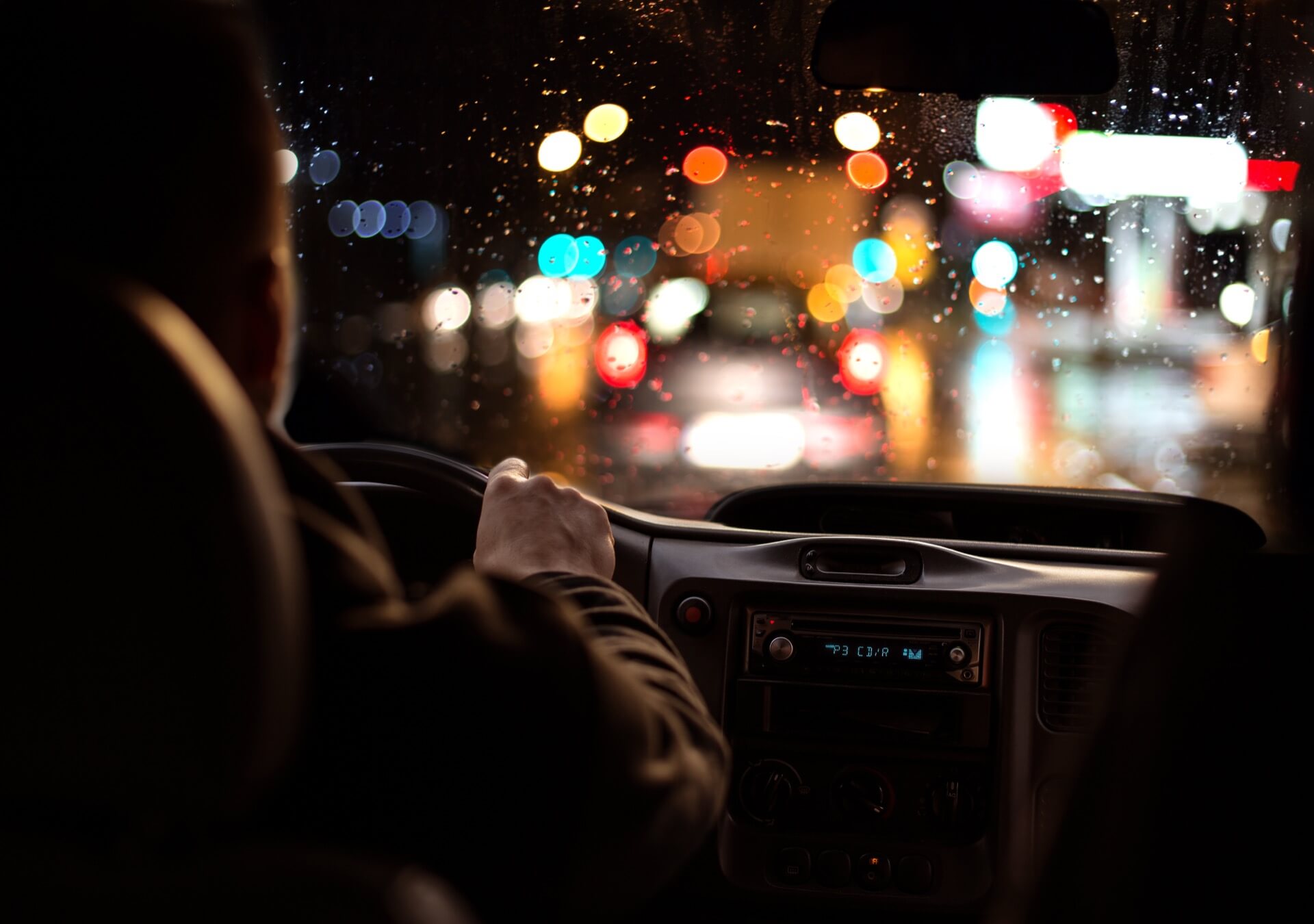
For many people, the first symptom of cataracts appears while driving at night.
Streetlights suddenly seem too bright. Headlights from oncoming cars create glare. Road signs are harder to read.
If this sounds familiar, cataracts may be the cause.
What’s happening inside the eye
Cataracts form when the lens of the eye becomes cloudy. Instead of allowing light to pass clearly to the retina, the clouded lens scatters light.
This scattering creates visual effects such as:
- Halos around lights
- Increased glare
- Reduced contrast in low light
Because night driving relies heavily on contrast and light control, cataracts often affect this activity first.
Signs cataracts may be affecting your night vision
You may notice:
- Headlights feel blinding
- Streetlights have halos around them
- Lane markings are harder to see
- It takes longer to adjust to darkness
These symptoms can make driving stressful — and in some cases unsafe.
When to talk to your eye doctor
If night driving is becoming uncomfortable, it’s a good time to schedule an eye exam. Your doctor can determine whether cataracts are developing or if another vision issue may be responsible.
Early evaluation can help you understand your options and plan ahead.